How Battery Backup Works
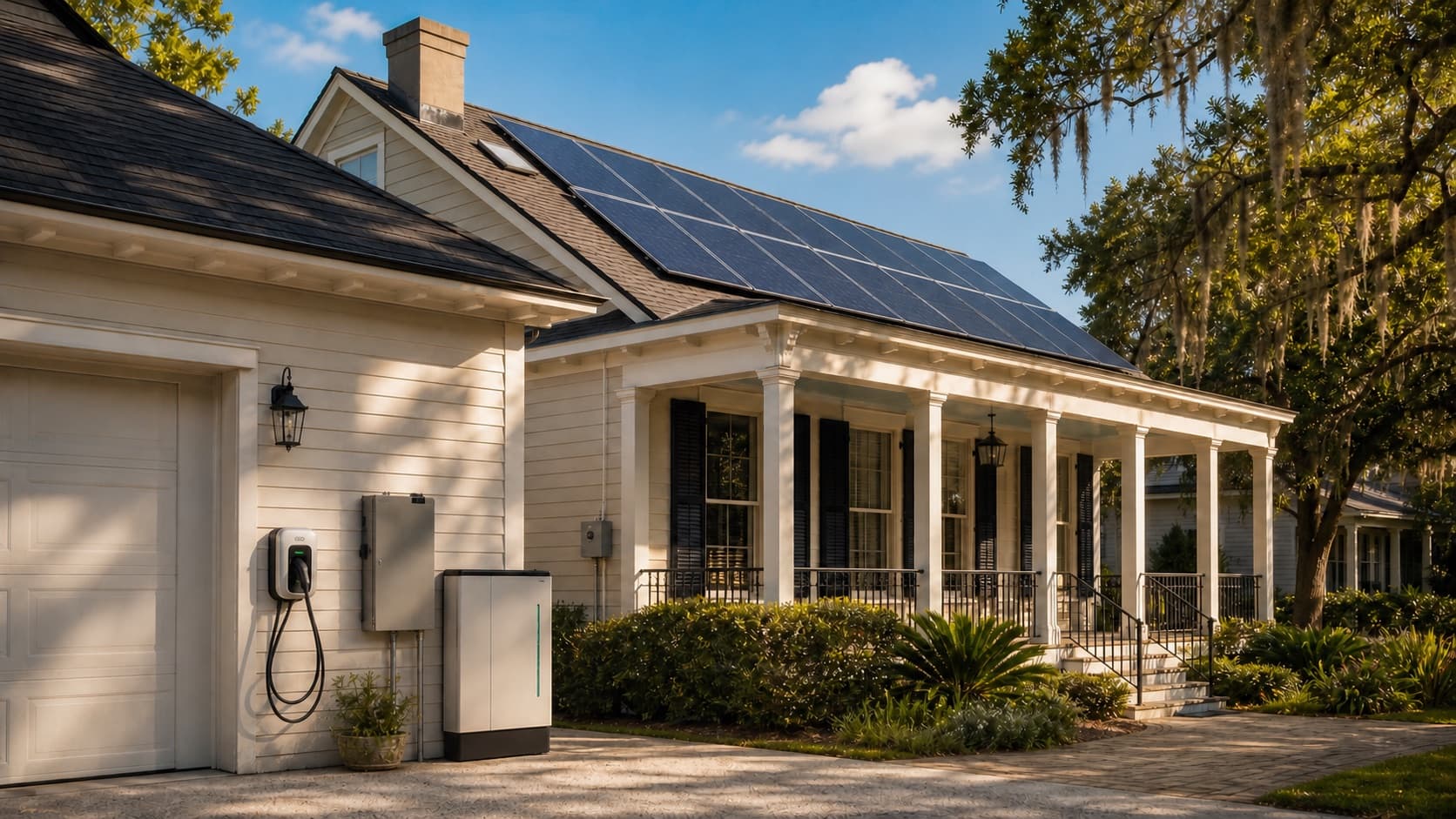
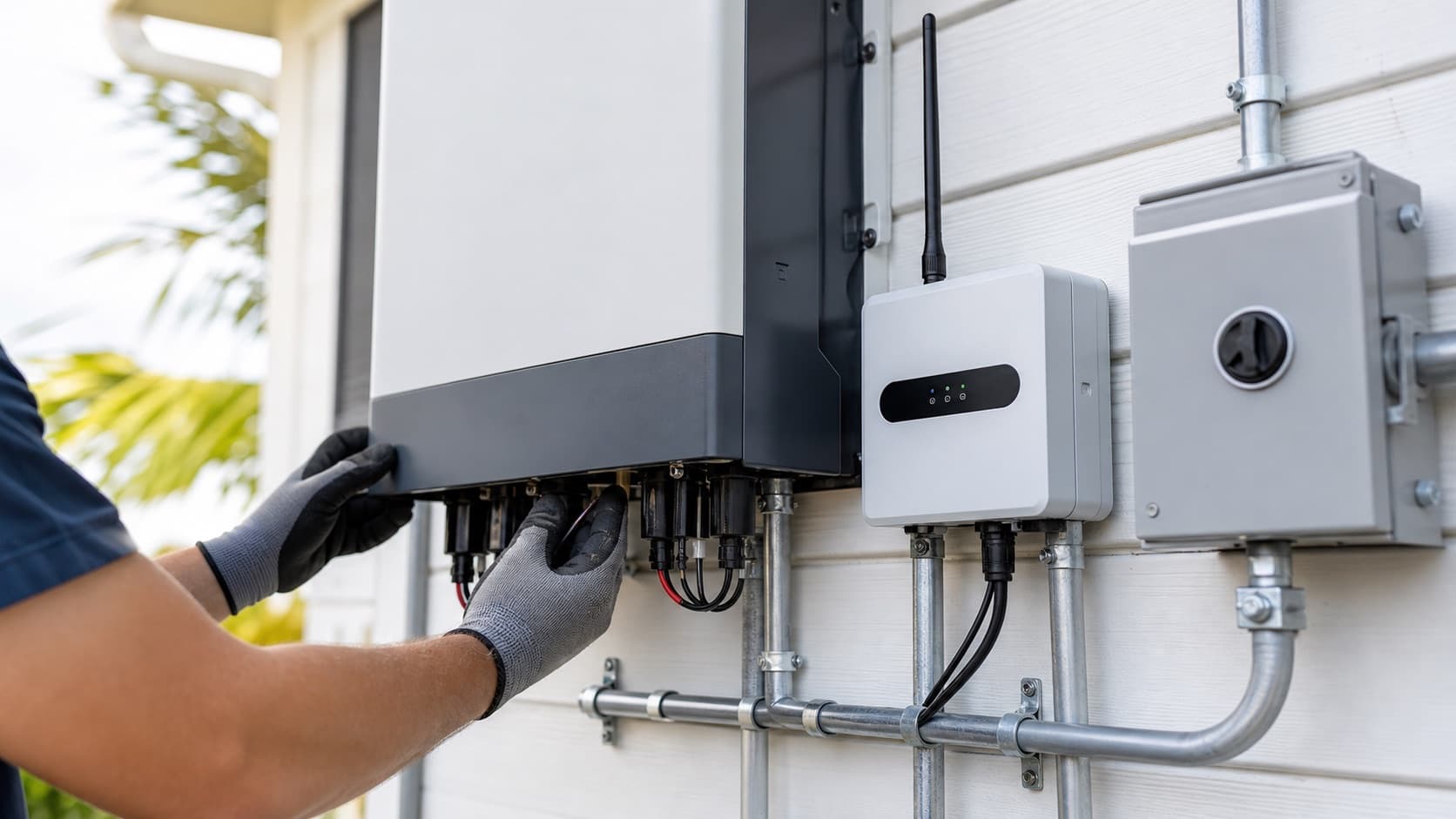
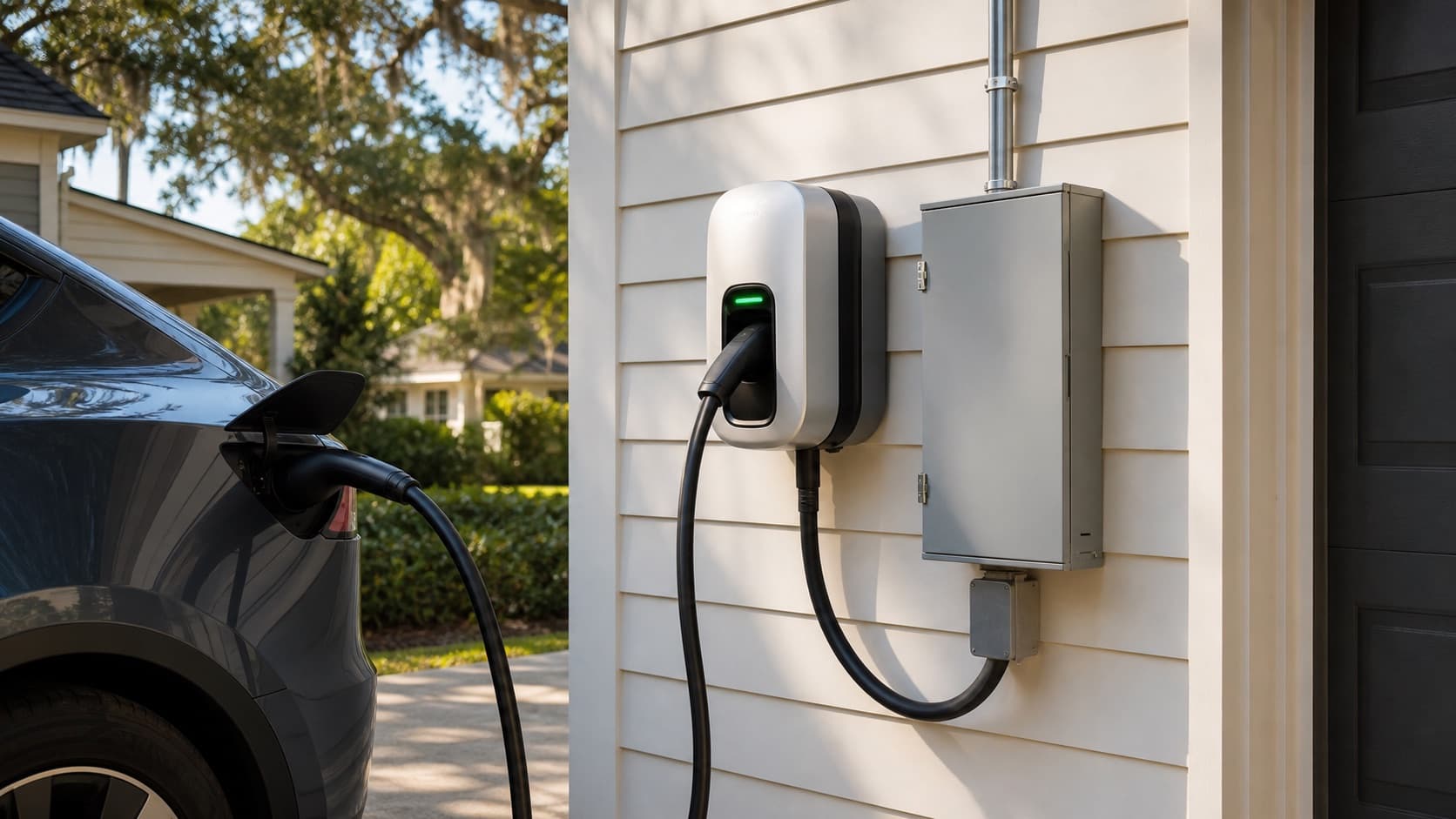
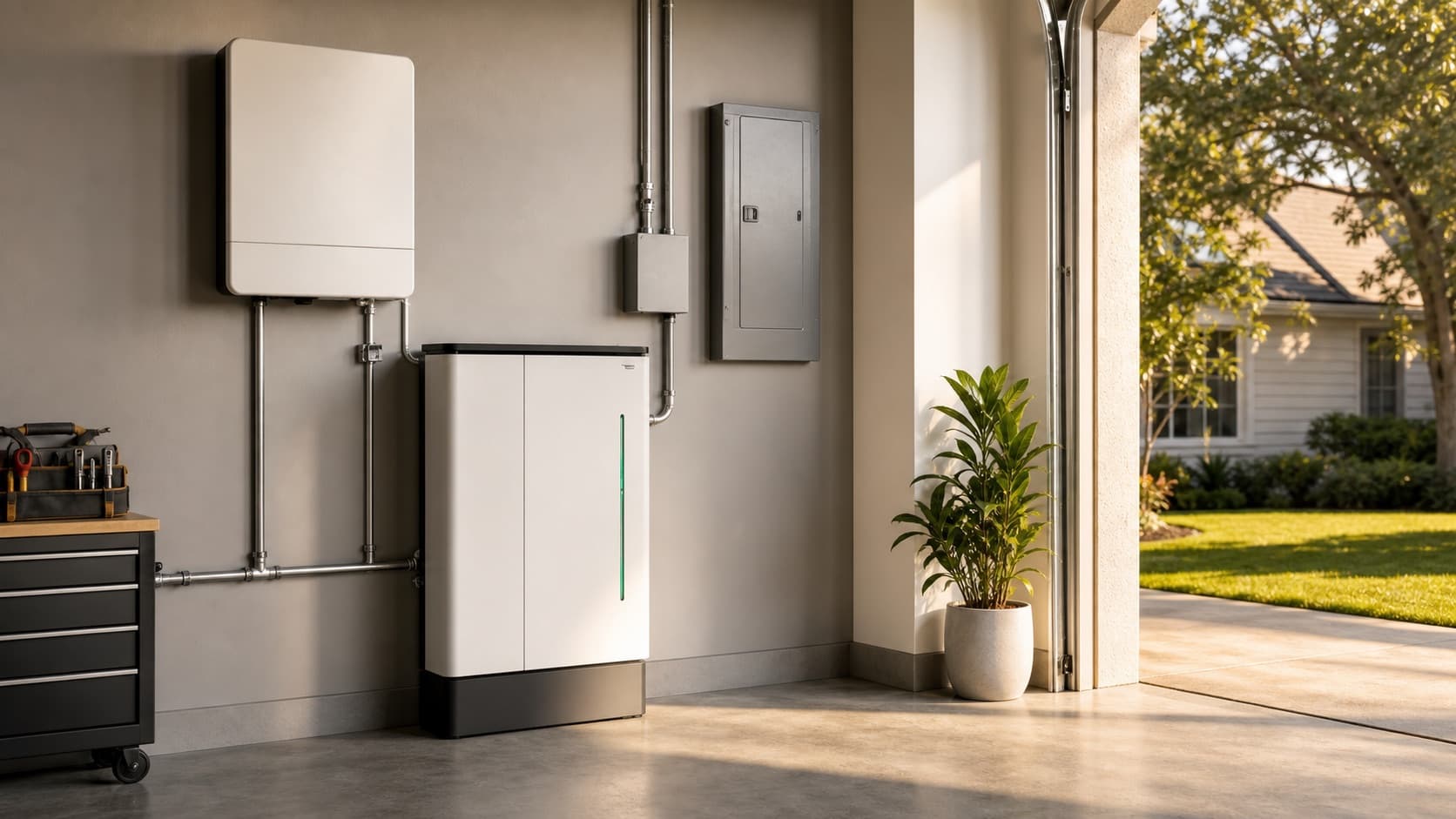
A home battery system stores energy — either from your solar panels or from the grid — and releases it when the grid goes down. The battery connects to your home's electrical system and can power selected circuits automatically when an outage occurs.
Not all battery systems are the same. Some are designed for essential-load backup, meaning only specific circuits are protected. Others can support more of the home, depending on system size and your electrical setup.
What Essential-Load Backup Covers
Most residential battery systems are designed around essential loads — the circuits that matter most during an outage.
- Refrigerator and freezer
- Lights in key rooms
- Phone and device charging
- Medical equipment if applicable
- Wi-Fi and basic communication
- Ceiling fans
A standard single-battery system will not run a central air conditioner for extended periods. Cooling is one of the largest electrical loads in any Louisiana home and requires significant battery capacity.
What Batteries Cannot Do (Without Careful Planning)
Battery backup is a powerful tool, but it works within real limits. Before planning a system, it helps to understand the constraints.
- Central air conditioning draws a lot of power and drains batteries quickly
- Electric water heaters and ovens are high-demand appliances that can deplete storage fast
- Longer outages require careful load management regardless of battery size
- A battery system does not eliminate the need for fuel-based backup in extended emergencies
Battery Sizing
System sizing depends on what you want to back up, how long you want backup to last, and how much solar production you have to recharge the battery during the day.
We review your usage patterns, essential load list, and solar system capacity together to recommend an appropriate battery size. Bigger is not always necessary — matching the system to your realistic needs usually gives better value.
Backup During Hurricane Season
Short outages from afternoon storms can often be handled well by a single battery paired with solar. Longer multi-day outages from major storms are harder to plan for with battery alone.
For serious hurricane preparation, a battery backup system works best as part of a larger plan that may include a generator for extended outages.
Adding Battery to an Existing Solar System
Many existing solar systems can accept battery storage, but compatibility depends on your current inverter, wiring, and panel setup. We review compatibility before recommending a battery addition.
If your system was installed by another company or is several years old, we may need to inspect the equipment first to understand what is possible.