Level 1 vs Level 2 Charging
A Level 1 charger uses a standard 120V household outlet and adds roughly 4 to 5 miles of range per hour of charging. For many drivers, this means overnight charging does not fully replenish a vehicle with a larger battery.
A Level 2 charger runs on 240V and adds roughly 20 to 30 miles of range per hour, depending on the vehicle and the charger. Most EV owners find this is more than enough to charge overnight and start each day with a full battery.
Electrical Requirements
Level 2 EV chargers require a dedicated 240V circuit, typically rated at 40 to 50 amps depending on the charger model. This means your electrical panel needs available capacity for a new circuit of that size.
- Panel amperage must support the additional load
- Available breaker slot is needed for the new circuit
- Some older panels may need to be evaluated before adding EV charging
- If you are also planning solar, both projects can often be planned together
Panel Assessment
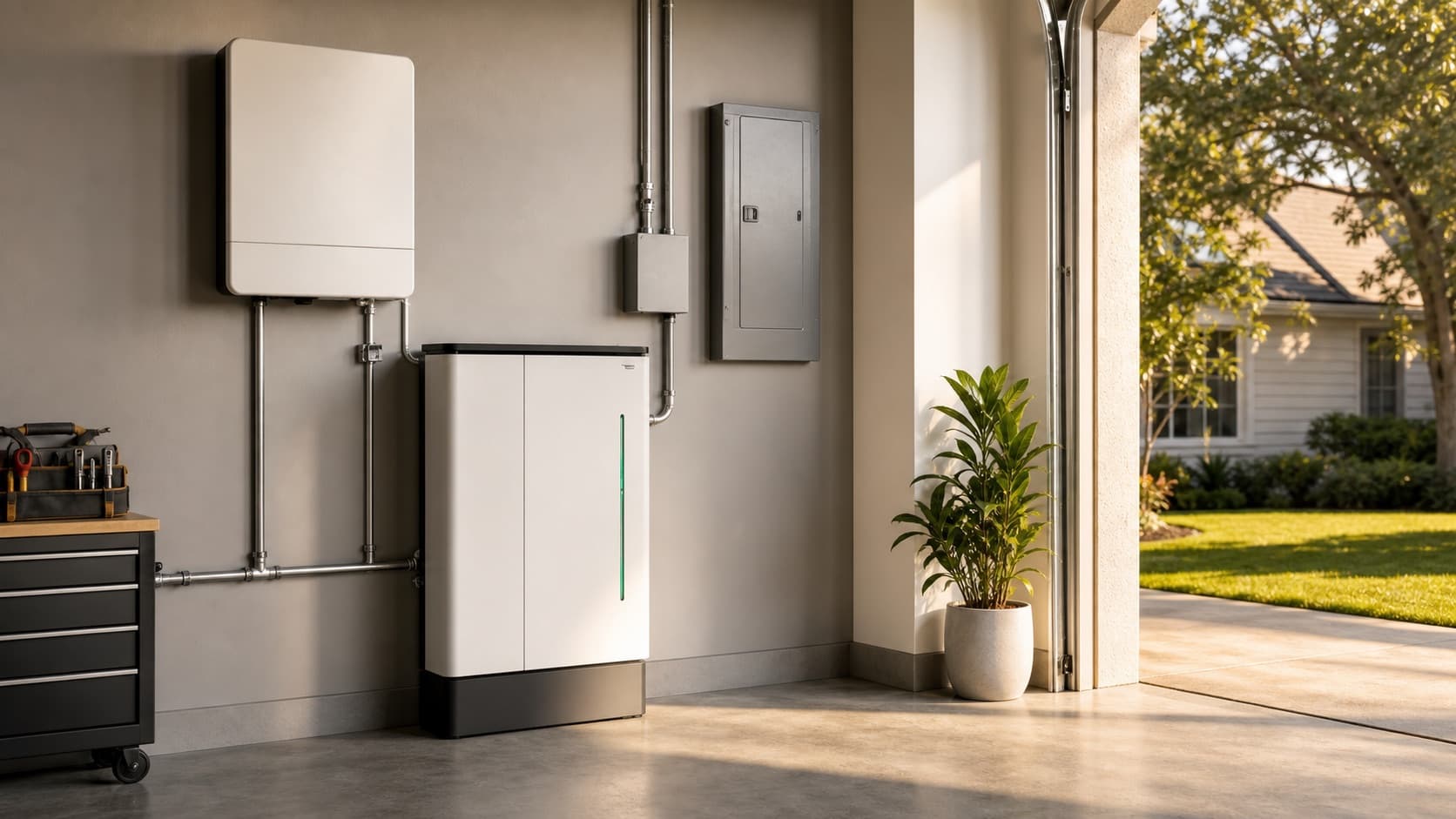
Before installation, we review your electrical panel — its age, amperage rating, and how much capacity is already in use. If your panel is at or near capacity, we discuss your options before proceeding.
Adding an EV charger and solar at the same time can be cost-effective, since some of the electrical work — like panel assessment and permitting — overlaps.
Where to Install the Charger
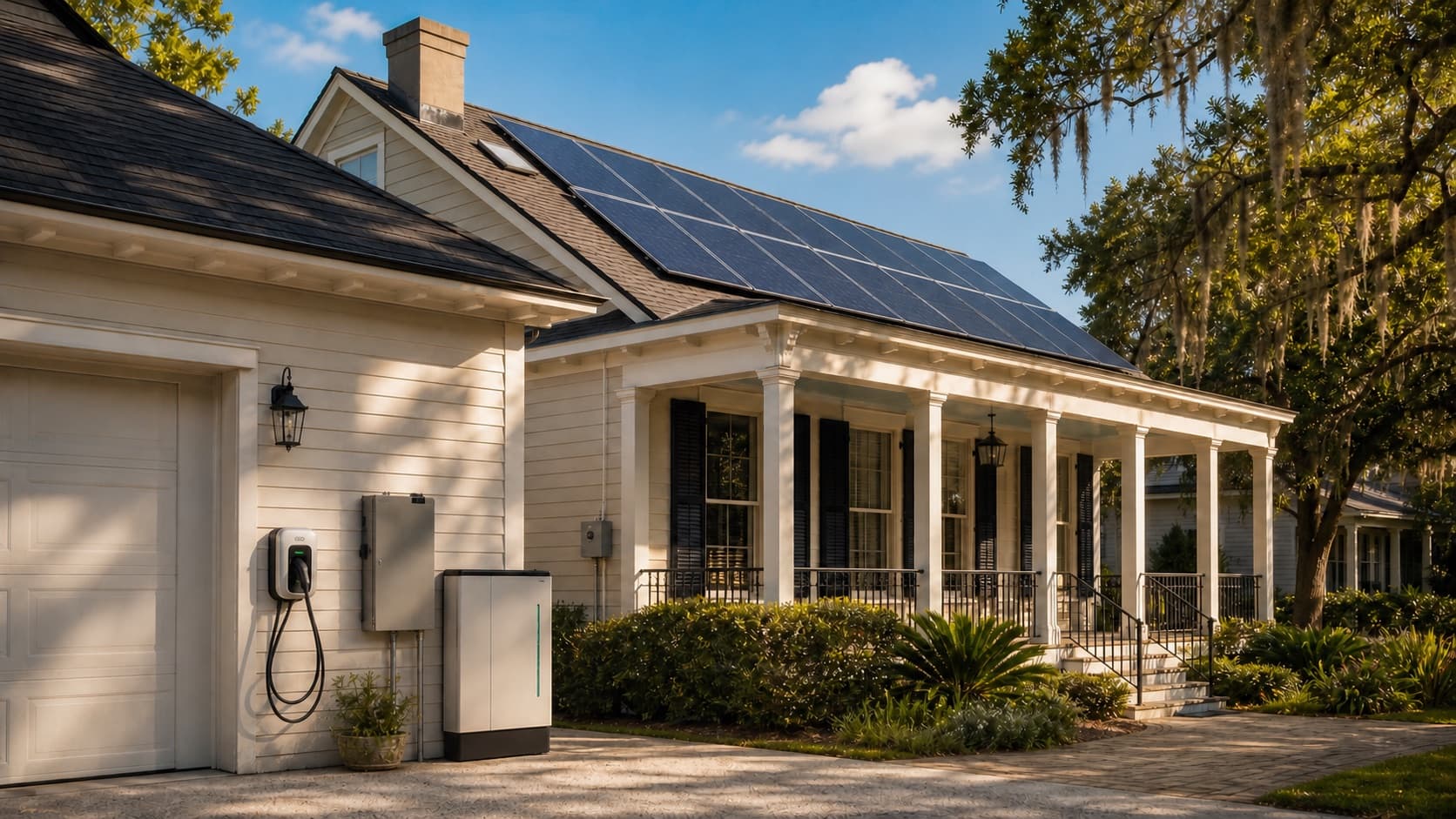
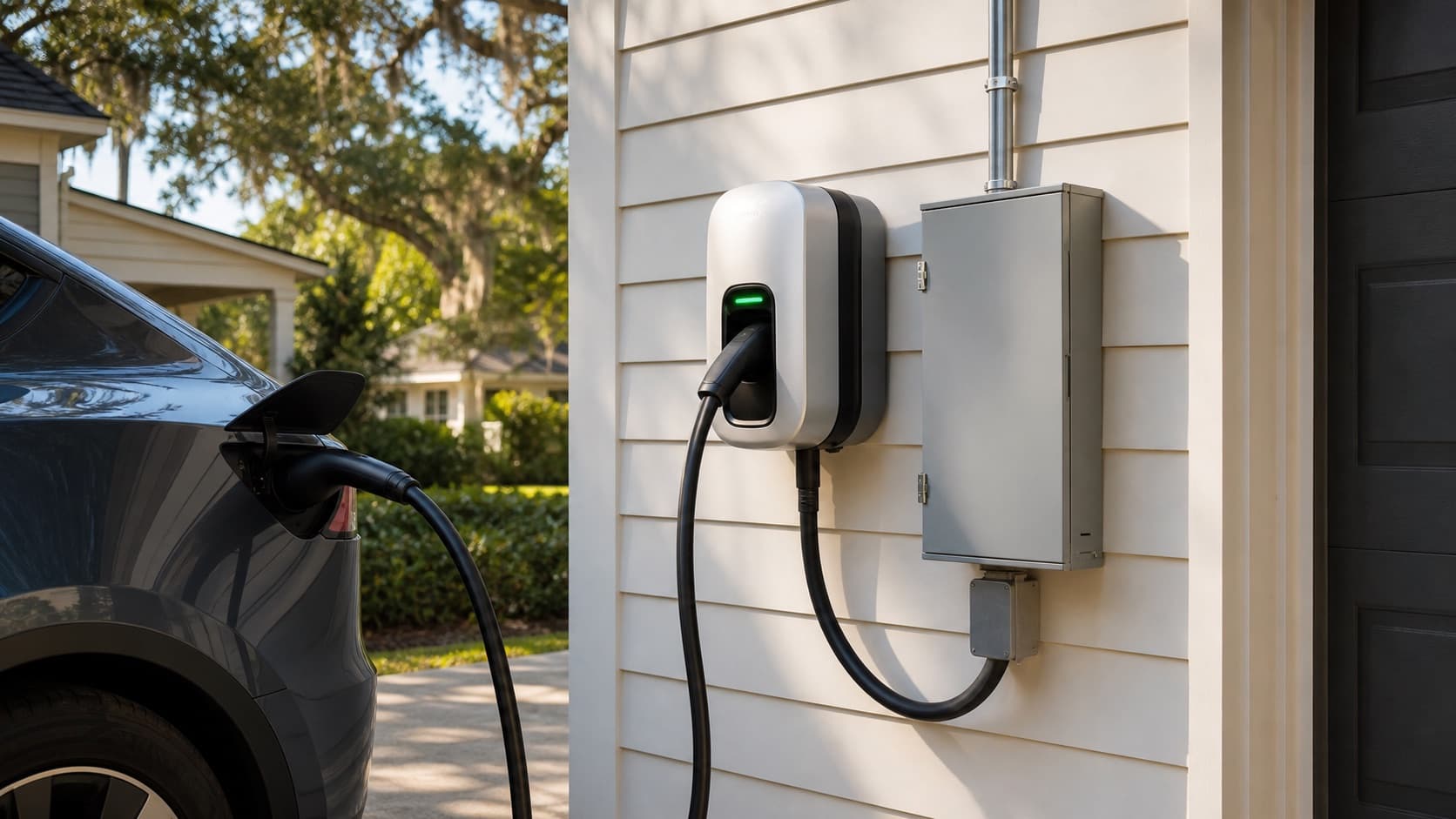
Most Level 2 chargers are installed in or near a garage, but they can also be mounted outdoors on an exterior wall near a covered parking area. The best location depends on where you regularly park, how far the run is from your panel, and whether the charger will be exposed to weather.
- Garage walls are the most common install location
- Outdoor installations require a weatherproof-rated charger
- Wiring route from the panel affects overall installation cost
- Longer conduit runs cost more than short ones
Permits
Electrical permits are required for EV charger installations in most jurisdictions. This includes the city of New Orleans and surrounding parishes. We handle the permit process as part of the installation.
Common Mistakes to Avoid
- Installing a charger without a permit (can cause insurance and resale issues)
- Choosing a charger amperage that does not match your panel capacity
- Skipping the panel assessment and discovering problems during install
- Mounting in a location that makes the daily plug-in awkward or inconvenient
Combining Solar and EV Charging
If you have solar or are planning to add it, an EV charger can be timed to run during peak production hours. This can reduce the net energy cost of charging significantly over time.