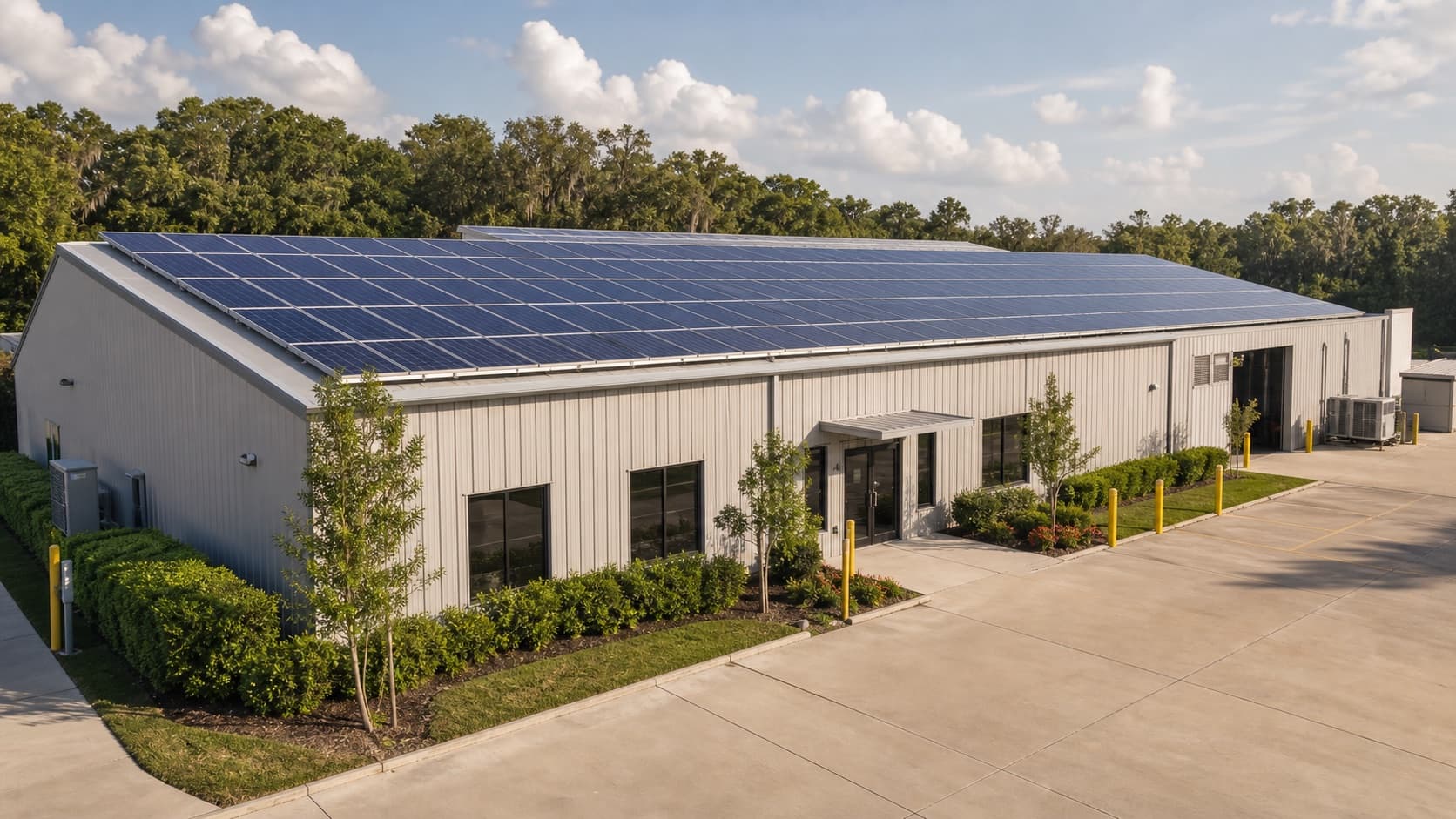
How Commercial Solar Differs from Residential
Commercial solar projects tend to be larger, with more panels, more complex electrical connections, and higher-voltage systems than residential installs. The permitting, utility interconnection, and inspection process can also take longer.
The financial analysis is different too. Commercial properties can access business tax incentives that residential owners cannot, and the payback calculation depends on the business's specific electricity rate structure.
Reducing Operating Costs
For businesses with high daytime electricity use — offices, warehouses, retail locations, light manufacturing — solar can offset a meaningful portion of operating costs over time.
Louisiana utility rates and rate structures vary by utility and rate class. The value of solar production depends partly on what you pay for electricity and whether your utility has a net metering or export credit policy for commercial accounts.
The best commercial solar candidates have consistent daytime electricity use, enough roof space for the system size that makes financial sense, and a roof in good condition.
Federal Tax Incentives for Businesses
The federal Investment Tax Credit (ITC) applies to commercial solar installations. As of recent policy, the base credit covers a substantial portion of the system cost. Businesses can also depreciate solar equipment under MACRS (Modified Accelerated Cost Recovery System), which reduces taxable income in the years following installation.
Tax incentive specifics change over time. Consult with a tax professional who understands energy credits for accurate guidance specific to your business situation.
Battery Backup for Businesses
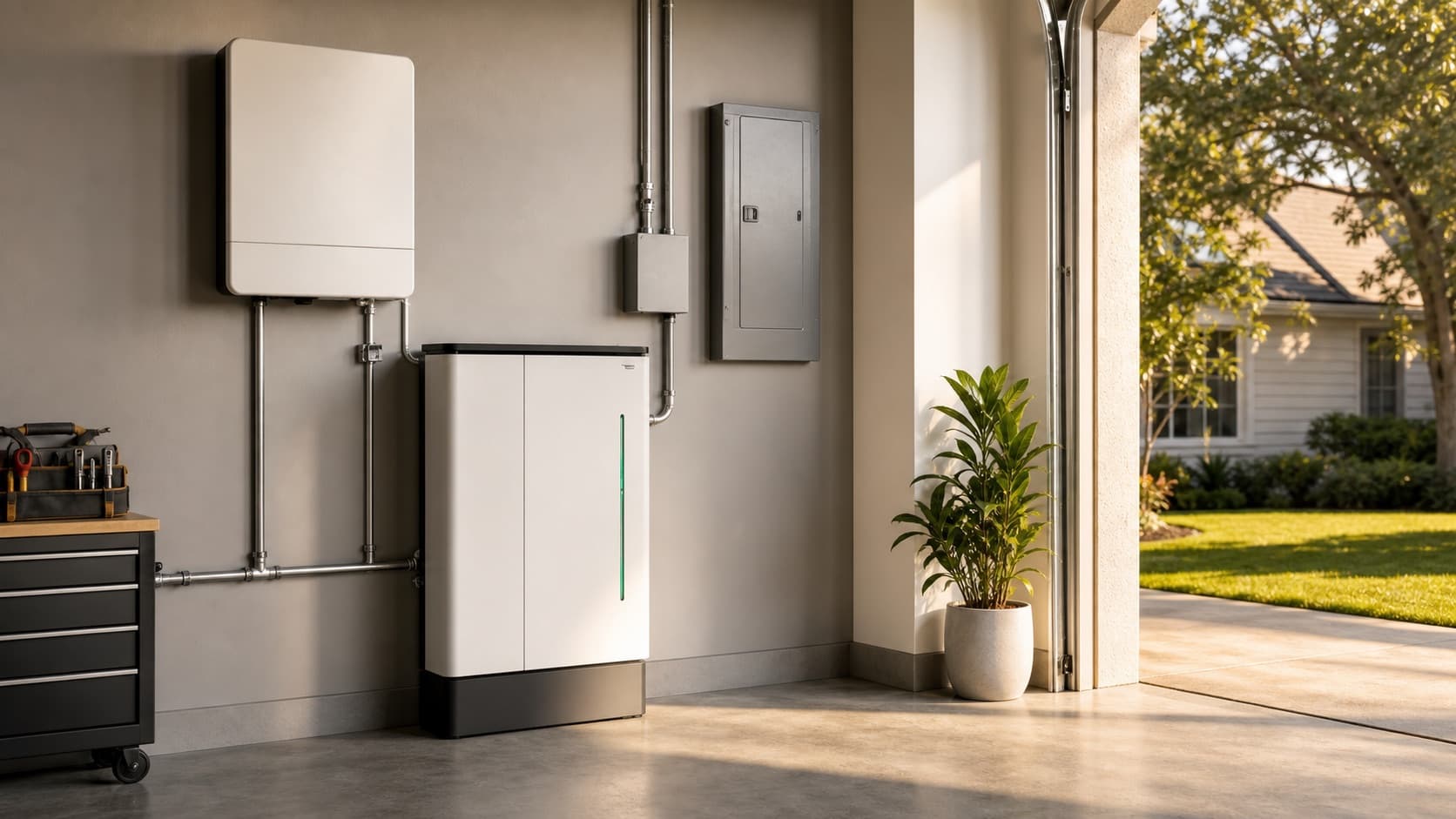
Some businesses need power continuity for safety, refrigeration, security, or equipment reasons. Battery backup can be added to a commercial solar system to provide backup for critical loads during outages.
The battery sizing for commercial backup depends on the critical loads and the expected outage duration the business is planning for.
Rooftop Considerations
Commercial roofs vary widely — flat membrane roofs, metal standing seam, modified bitumen, and others. Each has different mounting requirements, flashing approaches, and warranty considerations.
- Flat roofs often use ballasted racking systems that require no penetrations
- Metal roofs can be excellent for solar with the right clamps
- Roof condition and remaining lifespan matter for commercial projects as much as residential
- Rooftop mechanical equipment and HVAC units affect available panel space
Starting the Planning Process
For a commercial solar evaluation, we look at 12 months of utility bills, the building's roof layout and condition, the electrical system capacity, and the business's goals for the project. From there we can provide a clearer picture of what is realistic for the specific property.