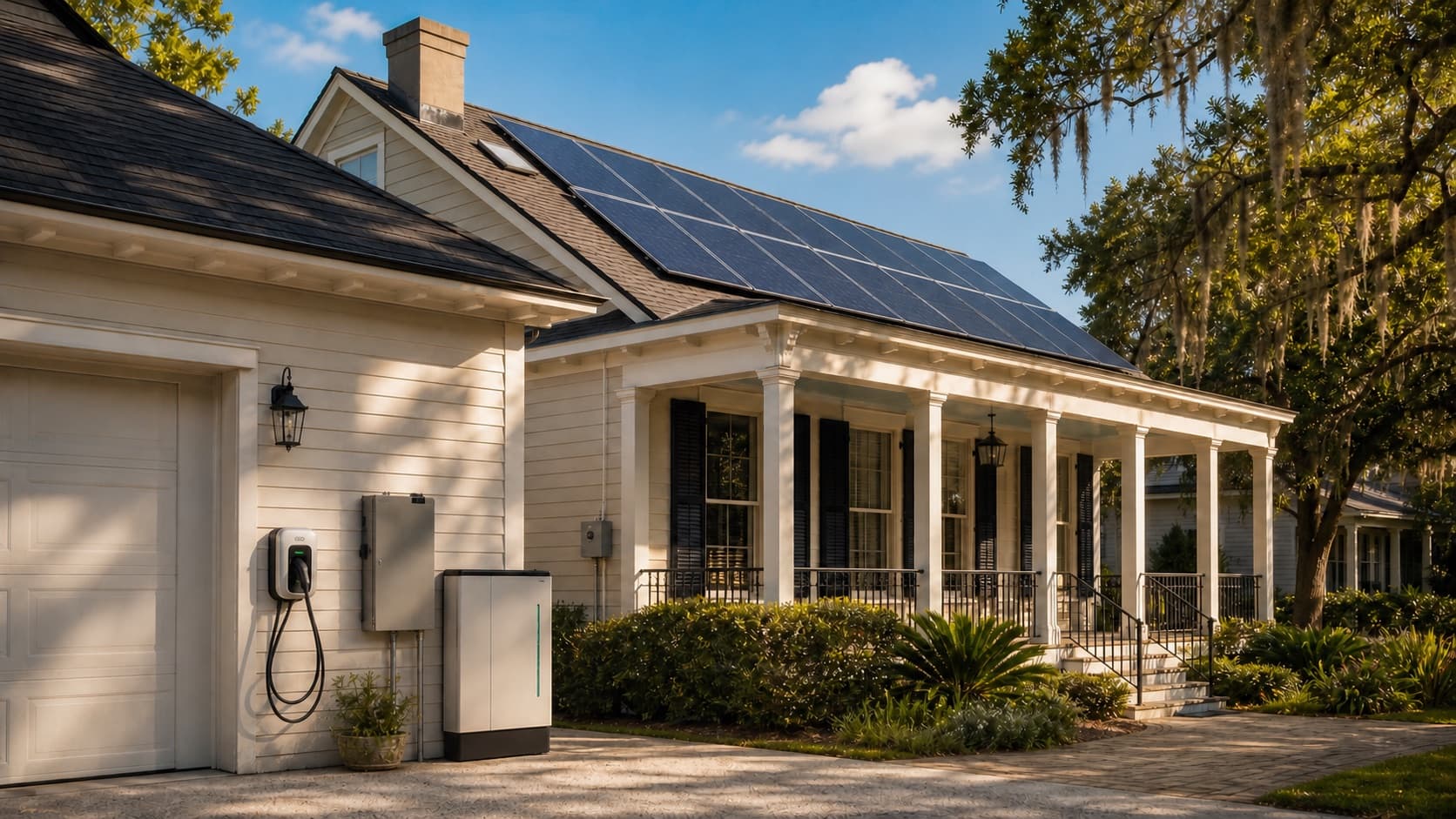
Roof Condition and Space
Solar panels are mounted directly to your roof, so the condition of the roof matters. If the roof is near the end of its useful life, it is usually better to replace it before installing solar. Removing and reinstalling panels for a roof replacement later adds cost.
We look at the material, age, and overall condition of your roof before recommending an installation. Most roof types — asphalt shingle, metal, tile — can support solar, but each has its own mounting approach.
- Asphalt shingle is the most common and generally straightforward
- Metal roofs can work well depending on the panel type
- Tile roofs require more planning and specific hardware
- Flat or low-slope roofs may need tilt brackets for proper sun exposure
Sun Exposure and Shade
Shade is one of the biggest factors in solar production. Heavy shade from trees, neighboring buildings, or roof features like chimneys can significantly reduce output.
Some shade may still allow a usable system, depending on where the shade falls and what time of day it occurs. We map out roof planes and sun angles to understand your specific situation.
If shade covers key parts of your roof for several hours a day, we will be upfront about how that affects expected production.
Your Electrical Panel
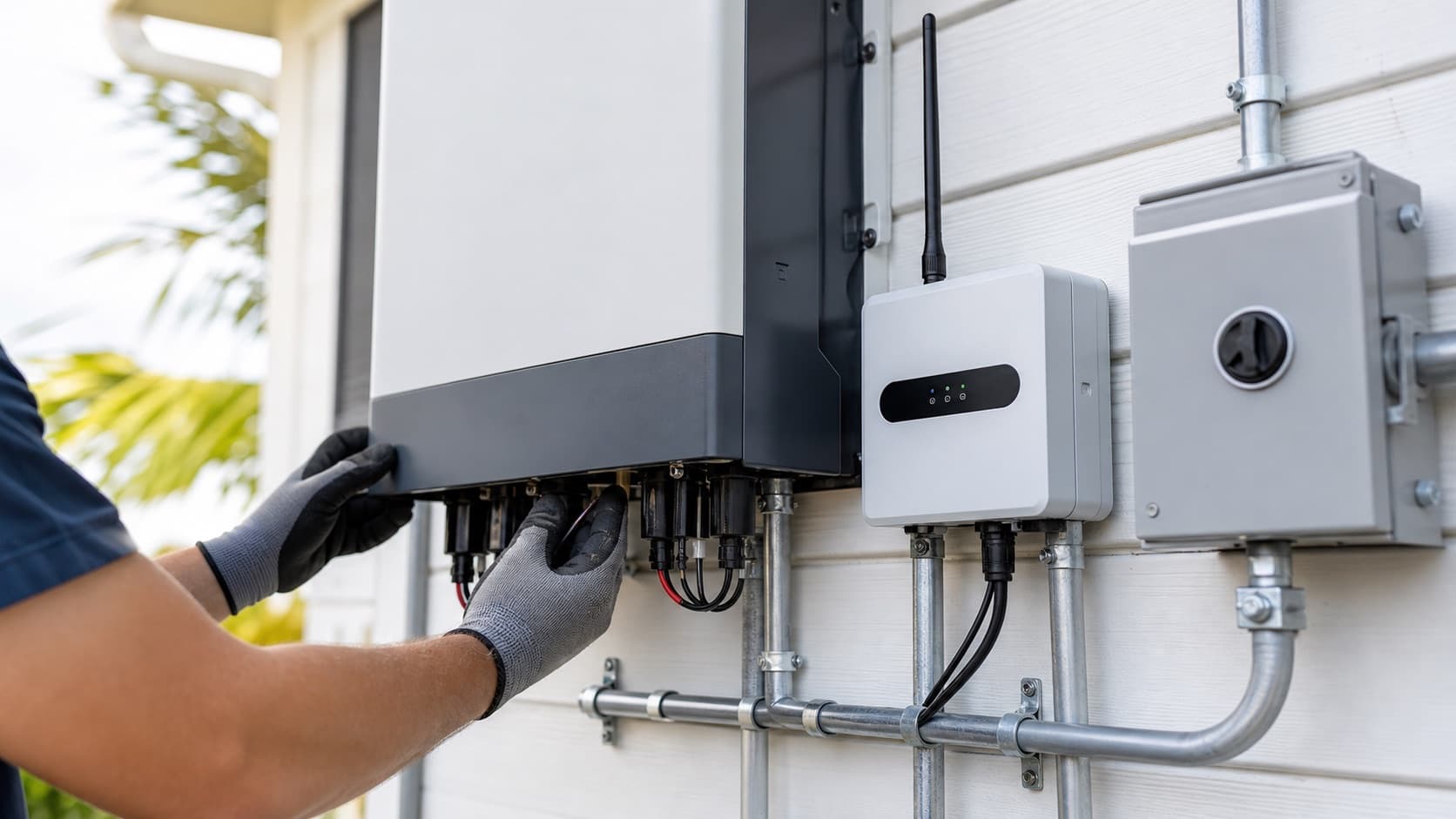
Solar connects to your home's main electrical panel. Some panels are too small, too old, or already at capacity to support a new solar system without an upgrade.
We review your panel amperage, available breaker slots, and overall condition before finalizing a system design. An upgrade may add to the project cost, but it is a safety requirement in many cases.
- Most homes need a 200-amp panel for a standard solar system
- Older panels with known issues may need to be replaced before solar
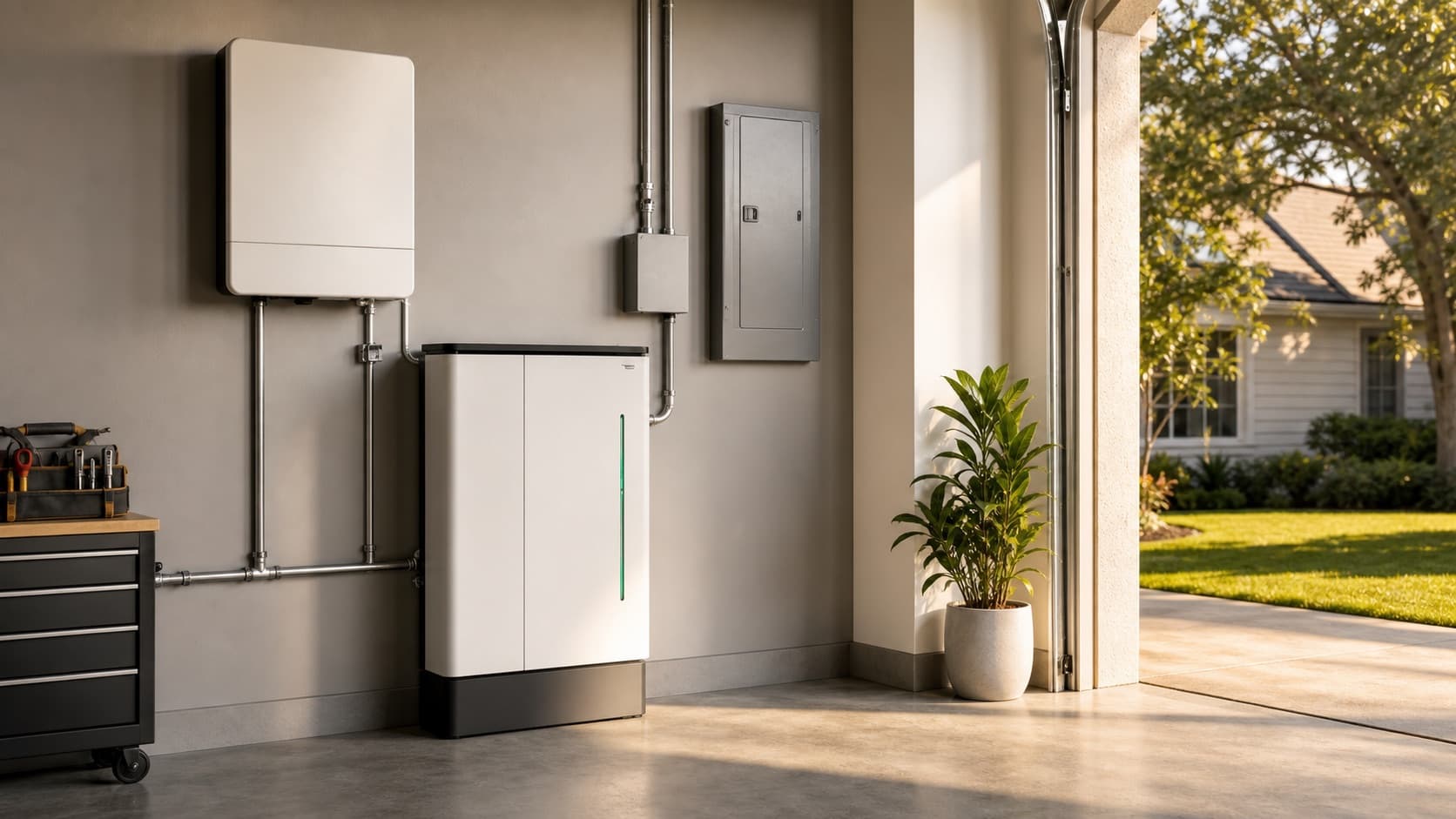
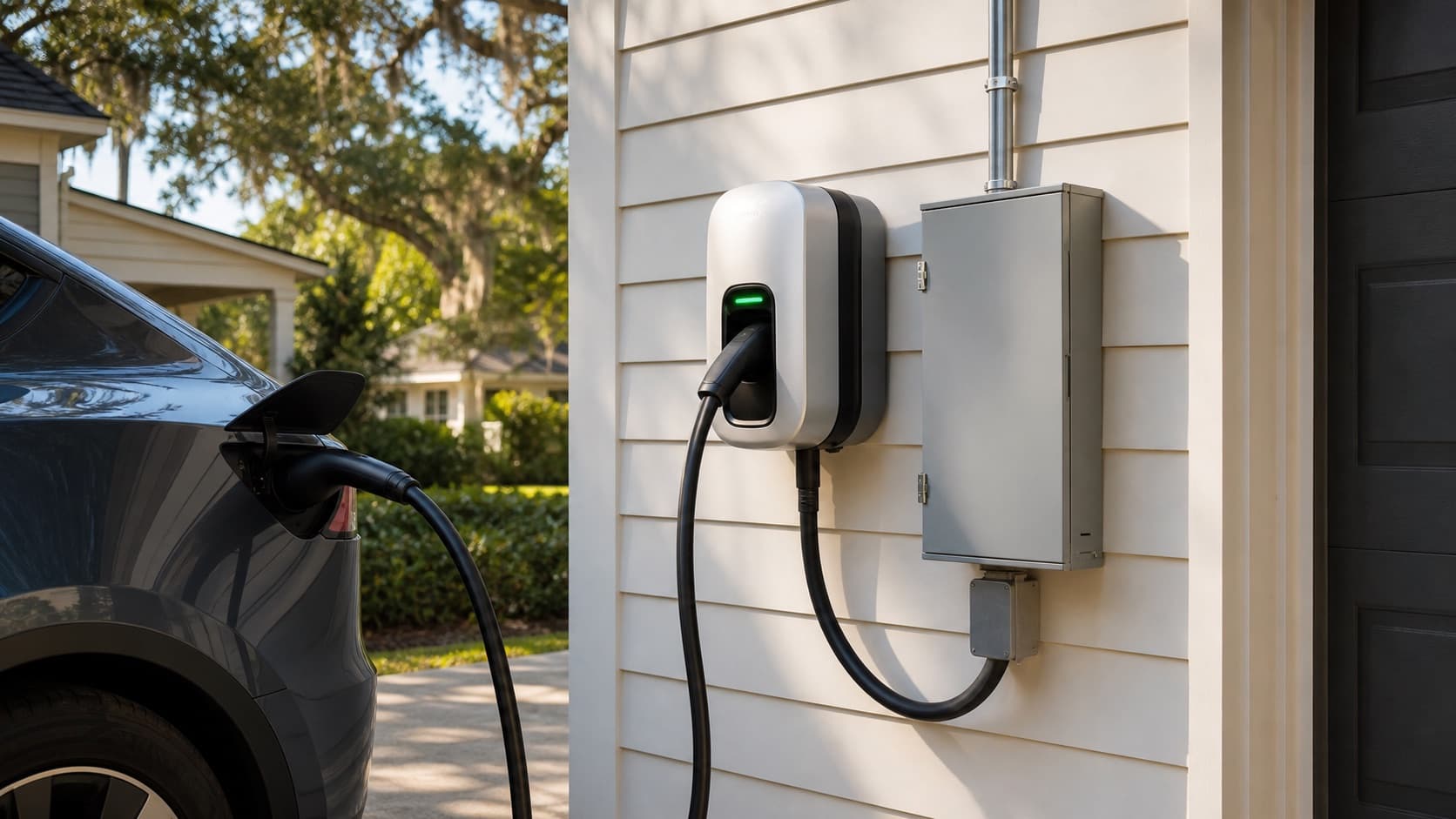
- If you are adding battery backup or an EV charger, panel capacity becomes even more important
Your Electric Usage
Your monthly electricity bills are one of the most useful pieces of information for sizing a solar system. We look at 12 months of usage to understand seasonal patterns and average consumption.
A system designed to offset a large portion of your bill needs to be sized correctly for your actual load. An undersized system will leave significant usage unaddressed. An oversized system may produce more than you can use without battery storage.
Future Plans
If you are thinking about battery backup, an EV charger, or adding loads in the future, we factor that into the initial design. It is easier to plan for these from the start than to try to retrofit later.
Telling us about planned changes — a new vehicle, a home addition, a pool — helps us design a system that grows with your needs.
What Happens During an Assessment
Our team reviews your roof layout, shading, electrical panel, and usage before recommending a system. We want you to have a clear picture of what solar will and will not do for your specific home before any commitment is made.