Check Your Monitoring First
Most modern solar systems include a monitoring app or web portal. If you have access to it, check the production data for the past several days. Look for whether production dropped suddenly or has been declining gradually.
A sudden drop to zero often points to an inverter issue, a grid outage, or a communication loss. A gradual decline over weeks or months may point to soiling, shading, or equipment degradation.
If your system stopped reporting entirely but your electricity bills are normal, the monitoring communication may have failed rather than the system itself.
Inverter Issues
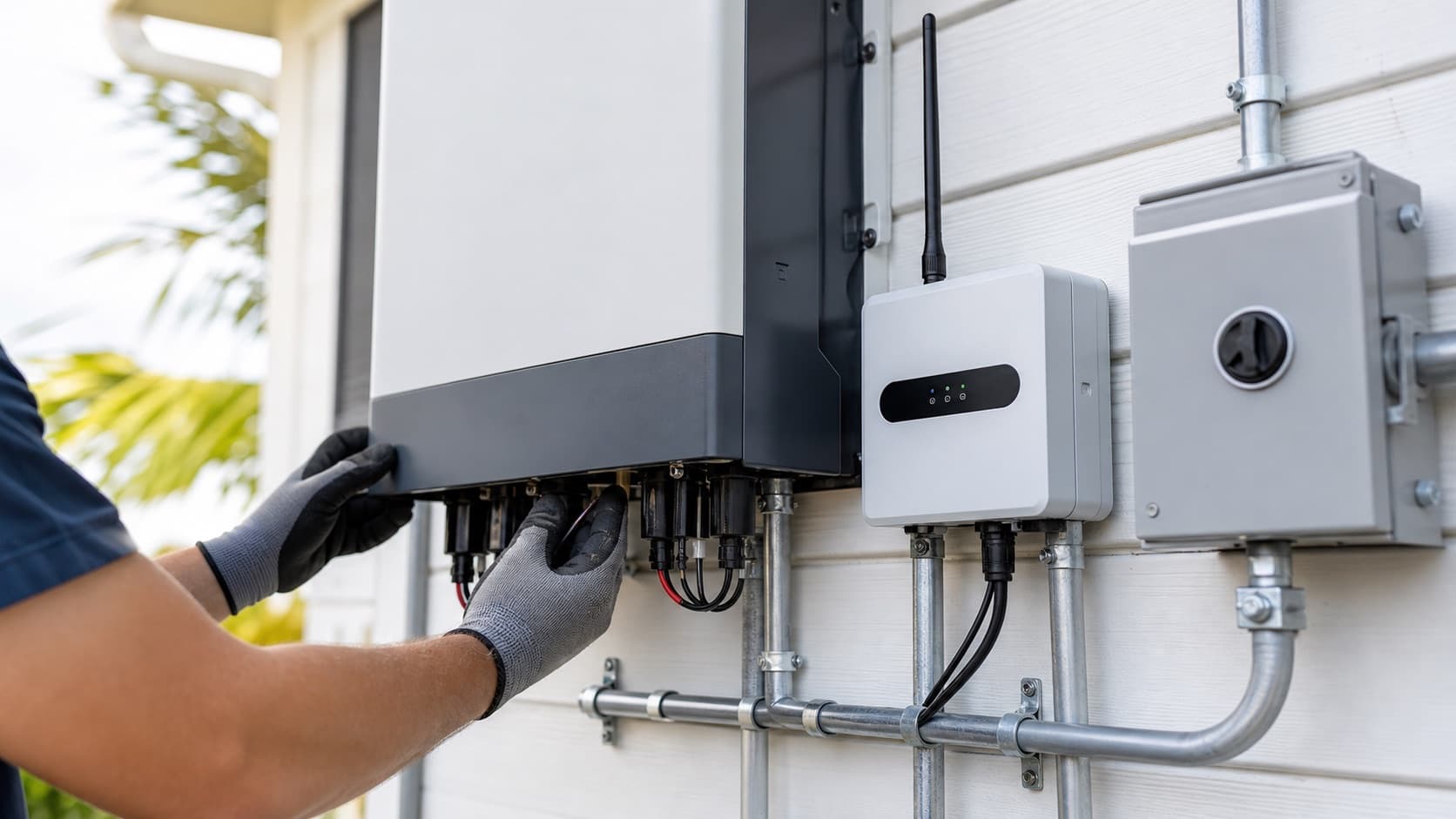
The inverter is the component that converts solar DC power to usable AC power. When it fails or faults, the system stops producing. Most inverters have a status light or display screen that shows error codes.
- A red or amber status light often indicates a fault
- Error codes can help a technician identify the specific problem
- Some inverter faults clear on their own after a few minutes
- Repeated faults usually indicate a hardware issue that needs service
Weather Effects
Cloudy weather, rain, and heavy overcast will all reduce solar production. This is normal. If you noticed production dropped during a stretch of cloudy days and recovered when the sun returned, weather is likely the explanation.
However, if production has not recovered after clear, sunny days return, the weather is probably not the cause.
Check Your Breakers
It sounds simple, but a tripped breaker — either the solar circuit breaker in your main panel or a breaker in the solar disconnect — can shut down production. Check your panel for any tripped breakers related to the solar system.
Shading Changes
Trees grow. New construction goes up. If a shade source has changed since your system was installed, it can affect production on certain panels or strings. This is worth considering if the decline has been gradual.
When to Call for Service
- Inverter is showing a persistent fault or error code
- Production has been low for more than a few clear days with no obvious cause
- Monitoring shows individual panels not producing (with a microinverter or optimizer system)
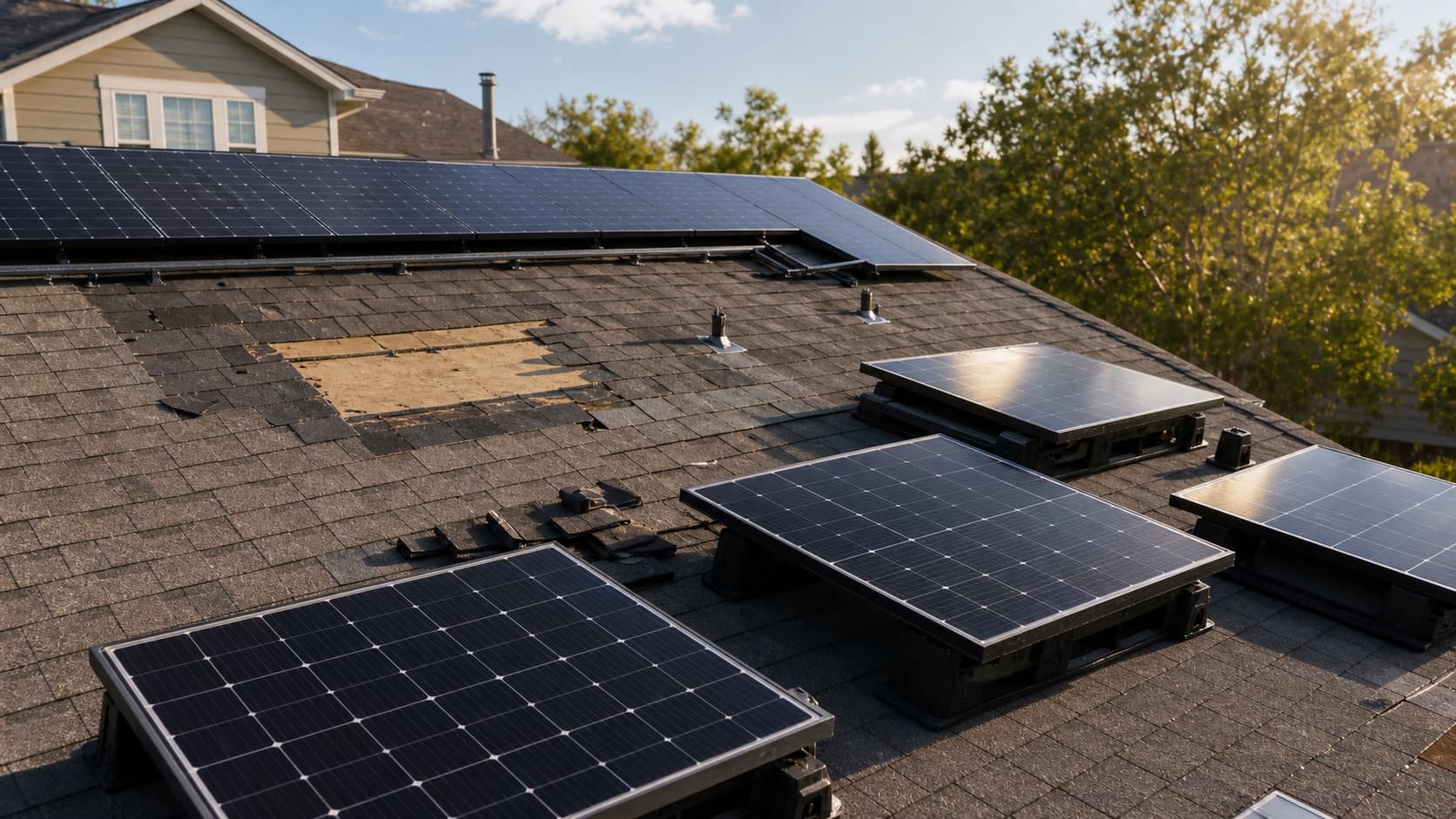
- You notice physical damage to panels, wiring, or equipment
- System is completely offline and a breaker check did not resolve it
Our team can review your monitoring data remotely or schedule an on-site inspection depending on what the symptoms suggest.